
Understanding the Difference Between GFCI and AFCI Outlets
1/6/20252 min read

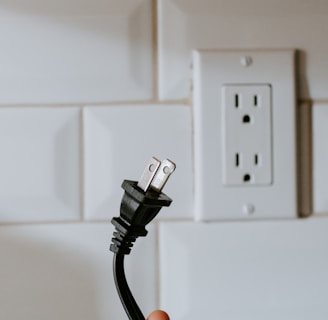
Introduction to GFCI and AFCI Outlets
Electrical safety is a critical concern in modern home design and electrical installations. Among the myriad of safety devices available, Ground Fault Circuit Interrupter (GFCI) outlets and Arc Fault Circuit Interrupter (AFCI) outlets stand out as essential tools for protecting both lives and property. While both serve to enhance electrical safety, they operate in distinctly different ways and are suited for different applications.
What is a GFCI Outlet?
A GFCI outlet is designed to protect against electrical shocks by monitoring the flow of electricity. It detects irregularities in the current, such as when electricity flows through water or the human body, and shuts off the power supply within milliseconds to prevent serious injuries. GFCI outlets are typically installed in areas where water is present, such as kitchens, bathrooms, and outdoor locations, making them crucial for preventing electrocution in environments that are conducive to moisture.
The Role of AFCI Outlets
AFCI outlets, on the other hand, are designed to prevent electrical fires caused by arc faults, which occur when there are unintended electromagnetic discharges in electrical circuits. These faults can arise from damaged wires, loose connections, or other wiring issues that create heat capable of igniting nearby combustibles. Unlike GFCI outlets, AFCI outlets are commonly installed in living areas such as bedrooms and dining rooms, as these are spaces where wiring issues can lead to potential fire hazards. Understanding the specific purpose of AFCI outlets underscores their importance in fire prevention and home safety.
Where Should GFCI and AFCI Outlets be Installed?
Determining the appropriate outlet type for various areas of the home is essential for ensuring safety. GFCI outlets should be installed in any location where water and electricity may come into contact. This includes bathrooms, kitchens, garages, and outdoor spaces. Local building codes often mandate the installation of GFCI outlets in these areas to enhance safety standards.
AFCI outlets are required by the National Electrical Code (NEC) in residential bedrooms and other living spaces to mitigate fire risks. Homeowners should consult with professionals or local codes to ensure that both types of outlets are properly installed where necessary. The integration of GFCI and AFCI technology ensures a comprehensive approach to electrical safety, addressing both shock hazards and fire risks.
Conclusion
In conclusion, understanding the differences between GFCI and AFCI outlets is vital for maintaining a safe living environment. While GFCI outlets focus on preventing electric shocks in moisture-prone areas, AFCI outlets are essential for detecting and preventing electrical fires in living spaces. By installing both types of outlets as recommended, homeowners can significantly enhance their electrical safety and protect their families from potential electrical hazards.
If you have any questions or are looking to replace an AFCI or GFCI outlet or breaker by an experienced electrician, reach out to us at 770-500-2674 or contact us here!